
Surprise Location
How Often Should I Have a Cardiac Screening at Physicians Health Center?
Taking care of your heart is one of the most important things you can do for your overall health. Heart disease remains one of the leading causes of death in the U.S., making regular heart health assessments crucial to preventing serious conditions. At Physicians Health Center in Surprise, AZ, we provide comprehensive cardiac screenings to help ensure your heart stays strong and healthy for years to come.
Understanding the Importance of Cardiac Screenings
Cardiac screenings help detect any potential issues with your heart long before symptoms appear. Even if you feel healthy, it’s possible to have underlying heart disease that hasn’t yet shown signs. Heart disease can develop silently, and by the time symptoms are noticeable, it may be too late to prevent further damage.
Routine cardiac screening is one of the best ways to take control of your health and stay ahead of potential heart problems. Regular screenings can detect risk factors like high cholesterol, high blood pressure, and irregular heart rhythms that could eventually lead to heart disease if left untreated.
How Often Should You Get a Cardiac Screening?
The frequency of cardiac screenings depends on several factors, including age, lifestyle, and family history. For most people, baseline screening should be done by age 40, especially if risk factors are present. If you have a family history of heart disease or are experiencing risk factors like smoking, poor diet, or lack of exercise, you may need to schedule screenings more frequently.
Here’s a quick breakdown of how often you should consider getting a screening:
- Healthy Individuals Under 40
For those in good health with no family history of heart disease, screening every 3-5 years may be sufficient. This helps detect early changes in heart health. - Individuals Over 40
After age 40, heart health becomes more critical, and you should consider annual screenings. By this age, many individuals begin to experience higher cholesterol levels, increased blood pressure, and other risk factors for heart disease. - High-Risk Individuals
If you have risk factors like a family history of heart disease, diabetes, or high blood pressure, you should schedule a cardiac screening more frequently, often on an annual basis, regardless of your age. Regular check-ups can help prevent the onset of heart disease by monitoring for early signs of trouble. - Individuals with Pre-existing Conditions
If you have already been diagnosed with high cholesterol, hypertension, or diabetes, you should speak to your healthcare provider about how often you need cardiac screenings. These conditions often contribute to the development of heart disease, so keeping track of your heart health is essential for preventing complications.
What Does a Cardiac Screening Involve?
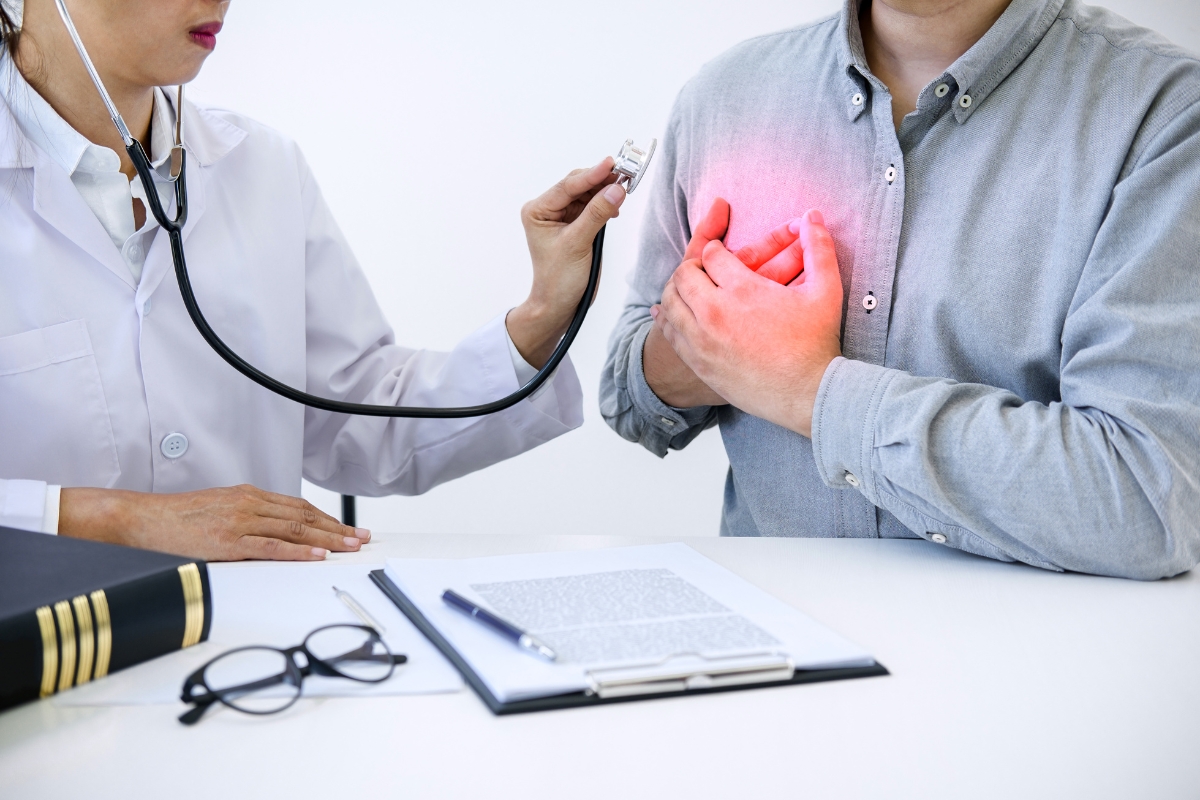
A cardiac screening at Physicians Health Center is a thorough assessment designed to evaluate your heart’s health. The specific tests may vary based on your age, risk factors, and medical history, but generally, a cardiac screening will include the following:
- Blood Pressure Measurement: Checking your blood pressure is one of the first steps in assessing heart health. High blood pressure can lead to fatal heart disease.
- Cholesterol Test: A lipid profile is done to measure your cholesterol levels, including LDL (bad) cholesterol, HDL (good) cholesterol, and triglycerides. High cholesterol levels can increase your risk of heart disease.
- Electrocardiogram (ECG/EKG): An EKG records the electrical activity of your heart. It can help detect irregular heart rhythms and other abnormalities.
- Blood Sugar Test: Since diabetes is a risk factor for heart disease, checking your blood sugar levels can provide insights into your heart health.
- Other Tests as Needed: Depending on your individual situation, your doctor may recommend additional tests, such as a stress test or echocardiogram, to further assess your heart’s function.
The Role of Family History in Cardiac Screening
Your family history plays a significant role in determining how often you should have a cardiac screening. If you have close relatives who have suffered from heart disease, it’s important to inform your healthcare provider, as this may increase your risk of developing similar conditions.
If heart disease runs in your family, your doctor may suggest starting screenings earlier and more frequently. Early detection in individuals with a family history can make a significant difference in preventing more severe health issues later on.
Lifestyle Choices and Their Impact on Your Heart Health
Even with regular screenings, your lifestyle plays a huge role in your heart health. Maintaining a healthy weight, exercising regularly, and eating a balanced diet are crucial for reducing the risk of heart disease. If you smoke or drink alcohol heavily, your risk for heart disease is higher, and you may need to screen more often.
It’s important to understand that cardiac screenings at Physicians Health Center are not only about identifying heart disease but also about taking proactive steps to avoid it. Healthy habits combined with regular screenings can help ensure that your heart stays in optimal condition for years to come.
Why Choose Physicians Health Center for Your Cardiac Screening?
At Physicians Health Center, we believe in providing comprehensive and patient-centered care. Our team works with you to create a personalized health plan, ensuring that you stay informed about your heart health and understand the steps you need to take to maintain it.
Scheduling regular screenings can be one of the best ways to keep your heart healthy and avoid serious complications down the road.
People Also Ask
1. At what age should I start getting cardiac screenings?
For most people, screenings should start by age 40. However, if you have risk factors or a family history of heart disease, you may need to begin earlier.
2. How long does a cardiac screening take?
The process usually takes about 30-60 minutes, depending on the tests required. It’s a quick and non-invasive way to get a snapshot of your heart’s health.
3. Can cardiac screenings prevent heart disease?
While they can’t prevent heart disease, screenings help catch early signs, allowing you to take action to reduce risks and prevent more serious complications.
4. Will I need to fast before my cardiac screening?
Depending on the tests, you may need to fast for a few hours beforehand, particularly if you’re having a cholesterol test or blood sugar test. Your doctor will give you specific instructions.
5. How can I reduce my risk of heart disease?
Maintaining a healthy diet, exercising regularly, managing stress, avoiding smoking, and limiting alcohol intake are all essential steps in reducing your heart disease risk.
