
Surprise Location
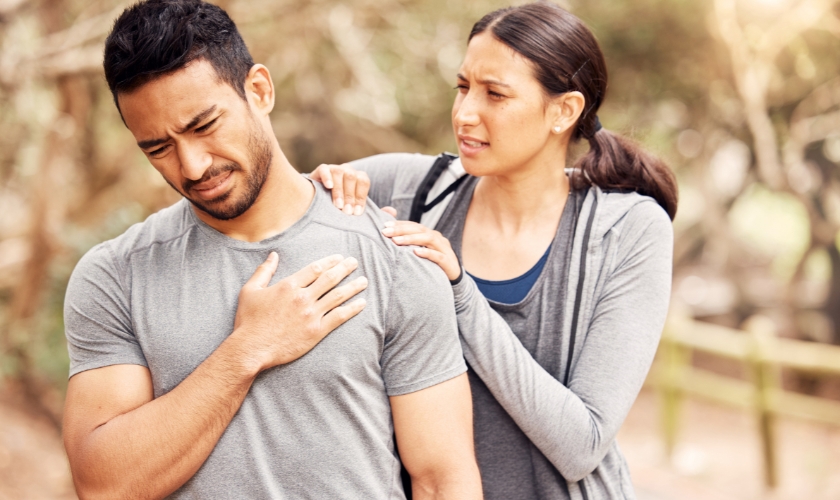
Know the Signs: Common and Atypical Heart Attack Symptoms in Men vs. Women
Did you know that the symptoms of a heart attack can vary widely between men and women? Although chest pain is a familiar danger signal, the symptoms may be far less conspicuous, particularly in women. Identifying the symptoms of a heart attack is important for early treatment, but most individuals are unaware of the gender-specific symptoms.
This blog will discuss usual and unusual heart attack symptoms, how they appear differently in women and men, and why the variation can be life-saving. Familiarity with these differences can save lives by offering good info on how heart disease treatment needs to be approached for each gender.
Usual Heart Attack Symptoms in Men
Men experience heart attack symptoms more noticeably and more abruptly. The most common symptom is chest pain, which is typically of a crushing nature. It may be referred to the left arm, jaw, or back. Shortness of breath, nausea, and dizziness are also frequent symptoms.
Males may even get a strong sensation of pressure in the chest. These characteristic symptoms will typically be accompanied by the onset of a heart attack. But occasionally, men’s heart attack symptoms can occur unexpectedly, so it is essential to stay alert for these signs.
General Heart Attack Signs in Women
In women, heart attack symptoms are less dramatic and less evident. Chest pain is still the leading symptom and most common, but it may feel more like squeezing or pressure rather than a sharp stabbing pain.
Women experience back, jaw, or abdominal discomfort rather than chest pain. Shortness of breath is common, and people may get lightheaded or faint. Sudden weakness, nausea, or sweating are also on-time symptoms.
These differences lead women not to always recognize how severe their symptoms are, and this may prompt them to delay heart disease treatment in Scottsdale.
Atypical Heart Attack Symptoms: Men vs. Women
Symptoms of a heart attack can occasionally appear less characteristic. Less common symptoms in men are fatigue, dizziness, and even sleep disturbances. Men can experience indigestion or upper abdominal pain, which can be mistaken for digestion. Women, however, have a more diverse set of atypical symptoms.
Indigestion, nausea, and sleep disturbances are more common among women than men. Some women do not have chest pain at all, and this makes it difficult to diagnose heart attack symptoms. These unusual symptoms delay diagnosis and treatment, and thus, it is important to know all the possible symptoms.
Why Heart Attack Symptoms Differ between Men and Women
Heart attack symptoms vary between men and women due to biological and physiological factors primarily. Women’s circulatory systems and hearts are unique from men’s and affect the presentation of symptoms.
Hormonal changes, like the protective effect of estrogen, can alter the presentation of heart attack symptoms in females. Women’s blood vessels are smaller and more vulnerable to becoming constricted, so they respond differently to reduced blood supply.
Social issues are also involved. Gender stereotyping and assumptions may lead to a delay in diagnosing women because the symptoms do not fit the “heart attack” scenario. This can lead to heart disease treatment in Scottsdale at a later stage, which adversely affects their prognosis.
When to Seek Medical Help
If you observe any of the above symptoms of a heart attack, it’s important to seek medical attention immediately. Men should not dismiss arm, jaw, or back discomfort, shortness of breath, or pain in the chest. Women should take action if they experience any chest pain, jaw or back pain, or unexpected exhaustion.
Even strange symptoms like indigestion, nausea, or dizziness should not be dismissed. Hesitation in treating heart disease can put more severe complications at risk. If you suspect you are experiencing a heart attack, call for an emergency response right away.
Being aware of the heart attack symptoms at the right time can be the difference between life and death. Men and women have different heart attack experiences, with some symptoms being more discreet among women.
Knowing these signs and moving fast is the key to receiving proper heart disease treatment on time. If you experience any warning signs, then immediately consult us to keep your heart guarded.
